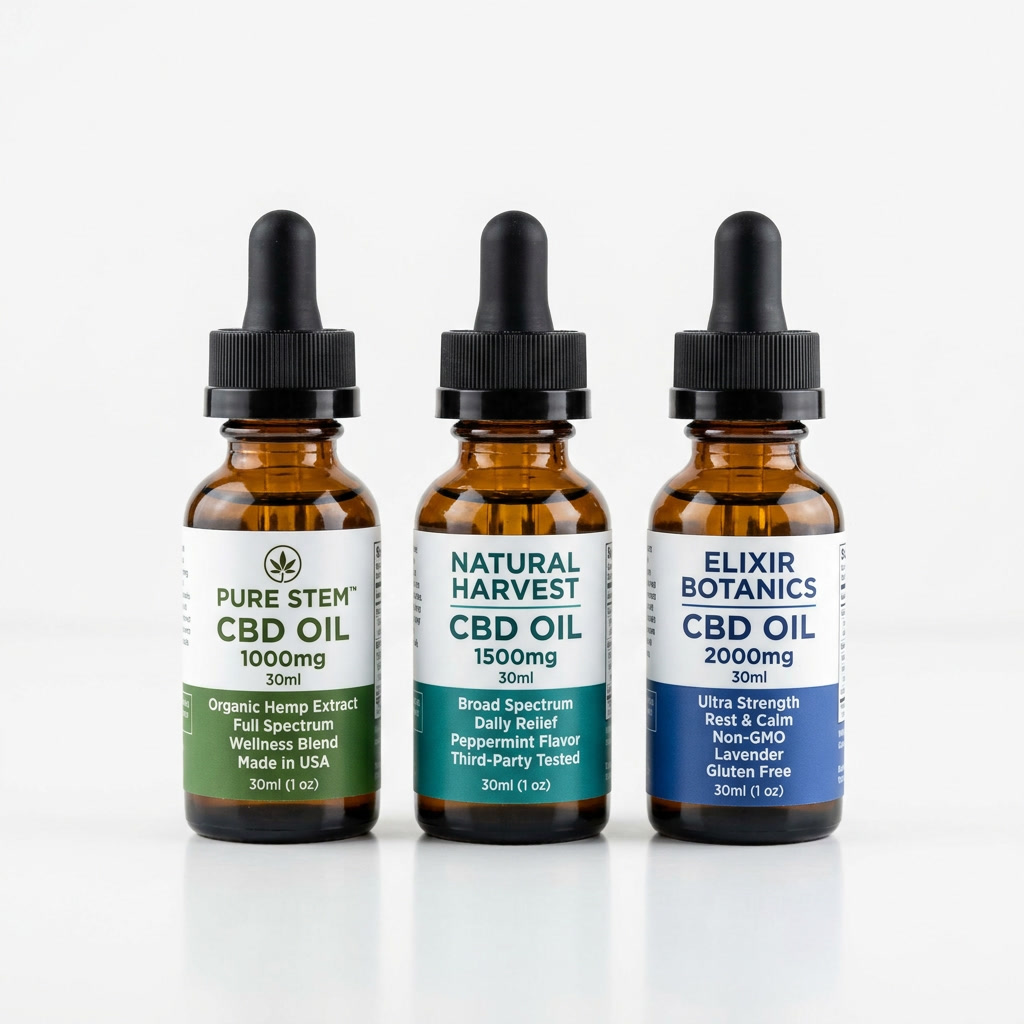
CBD Topicals Guide 2026: Which Cream, Balm, or Salve Actually Works?
What If Relief Was This Simple?
Your knee throbs after a long run. Your lower back aches from sitting at your desk all day. Or maybe your hands feel stiff after gardening.
You've heard CBD can help. But you don't want pills. You don't want to wait 30 minutes for an oil to kick in. You want targeted relief, right where you need it.
That's exactly what CBD topicals deliver.
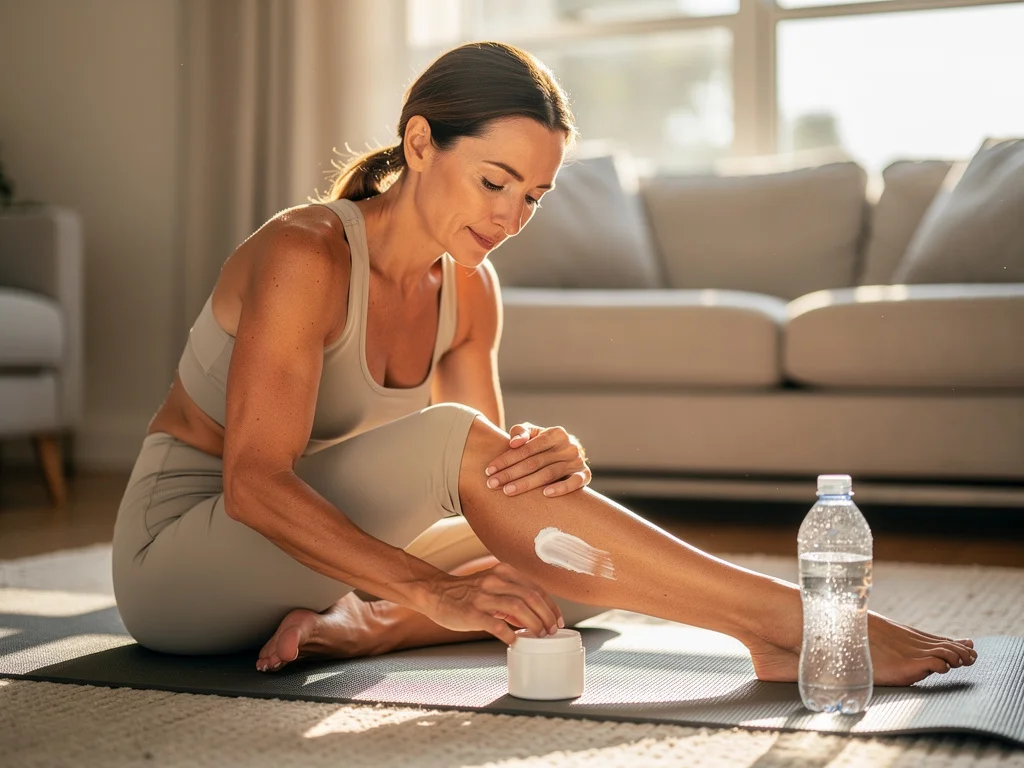
!CBD cream being applied to sore muscle for targeted [pain relief]
/images/blog/blog-cbd-topicals-guide-2026-03-05.webp
In this guide, you'll learn which CBD cream, balm, or salve actually works for your specific type of pain. We'll break down the science, show you what to look for on labels, and reveal which products are worth your money in 2026.
---
What Are CBD Topicals?
CBD topicals are cannabis-infused products you apply directly to your skin. Unlike oils or edibles that enter your bloodstream, topicals work locally on the area where you apply them.
How They Work
When you rub CBD cream on your sore shoulder, the CBD interacts with cannabinoid receptors in your skin. These receptors are part of your body's endocannabinoid system (ECS), which helps regulate pain, inflammation, and skin health.
> "Topical CBD application allows for localized relief without systemic effects. The CBD penetrates the skin barrier and interacts with nearby cannabinoid receptors."
> — Journal of Pain Research, 2025
The Three Main Types
Creams
Lightweight, fast-absorbing, good for large areas
Balms
Thicker, longer-lasting, ideal for targeted spots
Salves
Oil-based, very thick, best for very dry or cracked skin
Each has its place depending on what you're treating and how long you need relief to last.
---
Do CBD Topicals Actually Work?
What the Science Says
Research is promising but still developing. A 2025 review in Pain Medicine analyzed 15 studies on topical cannabinoids and found:
- 67% of users reported reduced pain in targeted areas
- 54% experienced reduced inflammation
- 71% said they'd use CBD topicals again for pain relief
The effects were moderate but statistically significant, particularly for arthritis and muscle soreness.
What CBD Topicals Can Help
Based on current research and user reports, CBD topicals show promise for:
Arthritis
Applied directly to joints, CBD may reduce inflammation and stiffness
Muscle Soreness
Athletes report faster recovery when applying CBD to worked muscles
Back Pain
Targeted application can provide localized relief
Skin Conditions
Early research suggests benefits for eczema and psoriasis
Nerve Pain
Some users report relief from neuropathy symptoms
What They Can't Do
Let's be clear about limitations:
- ❌ Won't cure chronic diseases
- ❌ Effects are temporary (2-4 hours typically)
- ❌ Not all products contain labeled CBD amounts
- ❌ Results vary by person and product quality
Bottom line: CBD topicals aren't miracle cures, but they're a legitimate tool for managing localized pain and inflammation.
---
Cream vs Balm vs Salve: Which Should You Choose?
The differences matter more than you might think.
CBD Creams
Best for: Large areas, daily use, fast absorption
Texture: Light, spreads easily
Absorption: 5-10 minutes
When to use:
- Morning routines
- Large muscle groups (quads, back)
- Under clothing (won't stain)
Example use case: Applying to your entire lower back before work
---
CBD Balms
Best for: Targeted relief, longer-lasting effects
Texture: Thick, waxy, stays in place
Absorption: 15-20 minutes
When to use:
- Specific joints (knees, elbows)
- Before bed (longer-lasting)
- After workouts
Example use case: Rubbing on sore knees after a run
---
CBD Salves
Best for: Very dry skin, overnight treatment
Texture: Very thick, oil-based
Absorption: 30+ minutes
When to use:
- Cracked heels or hands
- Extremely dry patches
- Overnight treatment
Example use case: Applying to cracked cuticles before sleep
---
What to Look for on the Label
Not all CBD topicals are created equal. Here's what separates quality products from marketing hype:
✅ Must-Haves
1. Third-Party Lab Testing
The COA (Certificate of Analysis) proves the product contains what the label claims. No COA = don't buy.
2. CBD Content Clearly Listed
Look for total mg of CBD in the container, not just "hemp extract."
3. Type of CBD Specified
Full-spectrum, broad-spectrum, or isolate—should be clearly stated.
4. Made in USA
Higher quality control standards
5. Ingredients You Recognize
Natural moisturizers like shea butter, coconut oil, beeswax
---
⚠️ Red Flags
Vague CBD Amounts
"Hemp-infused" doesn't mean it contains CBD
No Expiration Date
CBD degrades over time
Unrealistic Claims
"Cures arthritis in 3 days!" = marketing BS
Synthetic Fragrances
Can irritate sensitive skin
No Batch Number
Makes tracking/recalls impossible
---
How to Use CBD Topicals for Best Results
Step 1: Start with Clean Skin
Wash the area to remove oils, lotions, or sweat that could block absorption.
Step 2: Apply Generously
More isn't always better, but too little won't work. A quarter-sized amount for most areas, more for larger muscle groups.
Step 3: Massage It In
Rub in circular motions for 30-60 seconds. This increases blood flow and helps absorption.
Step 4: Wait Before Covering
Give it 10-15 minutes to absorb before putting on clothes.
Step 5: Track Your Results
Keep a simple log:
- What area did you treat?
- How much did you apply?
- Pain level before (1-10)
- Pain level after 30 min
- How long did relief last?
After a week, you'll see patterns and can adjust your routine.
---
When to Use CBD Topicals vs. CBD Oil
Both have their place. Here's how to choose:
Use Topicals When You Need:
- Localized relief (specific joint or muscle)
- Quick application during the day
- No taste (some people hate oil taste)
- To avoid systemic effects
Use Oil/Tinctures When You Need:
- Full-body relief (anxiety, sleep, chronic pain)
- Faster onset (15-30 min vs. 30-60 min for topicals)
- Customizable dosing
- Better value (cost per mg CBD is lower)
Many users do both: Oil in the morning for overall wellness, topical on sore spots as needed.
---
Real User Results: What to Expect
Don't expect instant miracles. Here's a realistic timeline:
Day 1: You might feel cooling/warming sensation. Pain relief may be subtle or noticeable depending on severity.
Days 3-5: If it's going to work, you should notice consistent relief in the 2-4 hour range after application.
Week 2: You'll know if it's effective for you. If no improvement after two weeks of consistent use, try a different product or higher potency.
Month 1: Regular users report reduced overall pain levels and less frequent flare-ups.
---
Price vs. Quality: How Much Should You Spend?
Budget Options ($20-40)
Good for: Trying CBD topicals for the first time
What you get: 250-500mg CBD, simple ingredients
Watch out for: Inaccurate labeling, no third-party testing
---
Mid-Range ($40-70)
Good for: Regular users, specific issues
What you get: 500-1500mg CBD, quality ingredients, lab testing
Best value for most users
---
Premium ($70-150)
Good for: Severe pain, luxury experience
What you get: 1500-3000mg CBD, premium ingredients (essential oils, organic bases)
Diminishing returns kick in around $100
---
Quick Product Recommendations by Use Case
For Arthritis: Look for full-spectrum balms with 1000mg+ CBD
For Athletes: Fast-absorbing creams with menthol for cooling effect
For sensitive skin: Fragrance-free, coconut oil base, 500mg CBD
For overnight: Thick salves with shea butter, 1500mg+ CBD
For beginners: Start with 250-500mg CBD cream from reputable brand
---
The Bottom Line
CBD topicals aren't magic, but they're a legitimate tool for managing localized pain and inflammation. The key is managing expectations, choosing quality products, and using them consistently.
Start with a mid-range product from a brand that provides third-party lab testing. Apply it to clean skin, massage it in well, and give it at least two weeks before deciding if it works.
If you're dealing with chronic pain, topicals work best combined with other approaches: CBD oil for systemic support, gentle movement, good sleep, and guidance from your healthcare provider.
Ready to try CBD topicals? Start with a quality balm or cream in the $40-70 range, apply it consistently for two weeks, and track your results. You might be surprised how much relief a simple cream can provide.
---
Common Questions About CBD Topicals
Will CBD topicals show up on a drug test?
Unlikely. Topicals don't enter your bloodstream in significant amounts. However, full-spectrum products contain trace THC that could theoretically accumulate.
How often can I apply CBD topical?
As needed. Most users apply 2-4 times daily. There's no known risk of over-application.
Can I use CBD topical with other pain creams?
Generally yes, but wait 30 minutes between applications. Consult your doctor if using prescription topical medications.
Do CBD topicals expire?
Yes, typically 12-24 months. Check the expiration date and store in a cool, dark place.
Is there a difference between hemp cream and CBD cream?
Yes. Hemp cream may contain hemp seed oil (no CBD). CBD cream should list CBD or cannabidiol content explicitly.
Related reading: For a format-by-format breakdown, see our CBD balm vs cream vs salve buyer’s guide.
Find Your Perfect CBD Product
Take our 2-minute quiz to get personalized recommendations based on your needs.
Take the Quiz →Disclaimer: This article is for informational purposes only and does not constitute medical advice. CBD products are not FDA-approved to treat, cure, or prevent any disease. Always consult with a qualified healthcare professional before starting any new supplement, especially if you have a medical condition or take medications.