City Skin vs CBD: Can It Really Help With Pollution Damage?

If you live in a city, your skin deals with a lot. Car exhaust, factory smoke, wildfire haze, and tiny airborne particles settle on your face every single day. You cannot see most of it, but your skin notices. Over time, that daily exposure can show up as dullness, uneven tone, dryness, and a feeling that your skin looks tired even when you slept fine. It is a real concern, and it has a name among dermatology researchers: pollution-induced skin damage. So a fair question follows. Can cannabidiol, the much-talked-about compound known as CBD, actually help skin that is stressed by city air? The honest answer is more interesting than a simple yes. Recent laboratory research, including a 2025 study on human skin kept alive outside the body, suggests CBD has real antioxidant and calming activity that lines up with what polluted skin seems to need. But it is not magic, and it is not a shield. Let us walk through what the science actually says, and what you can reasonably do about it.
Why Polluted Air Is Rough on Skin
Air pollution is not one thing. It is a mix of gases, metals, and fine particulate matter, often shortened to PM. The smallest particles are the troublemakers because they can sit on the skin surface and slip into hair follicles and pores. Once there, they trigger a chain reaction. The skin's own defenses generate unstable molecules called free radicals, and when free radicals pile up faster than the body can neutralize them, the result is oxidative stress. That stress can wear down the skin barrier, the thin outer layer that holds moisture in and keeps irritants out. A weakened barrier often means more redness, more sensitivity, and a complexion that looks less bright. Pollution can also nudge along inflammation, the low-level immune activity that, when it lingers, contributes to uneven tone and early fine lines. None of this happens overnight. It is a slow, cumulative grind, which is exactly why a daily routine matters more than any single product.
What the Ex Vivo Human Skin Study Found
The most directly relevant piece of research here is a 2025 paper in the journal Biomolecules, titled "Cannabidiol Mitigates Pollution-Induced Inflammatory, Oxidative, and Barrier Damage in Ex Vivo Human Skin" (PMID 41594552). The phrase "ex vivo" matters, and it is worth being honest about it. This was not a face trial with volunteers walking around a smoggy city. It was laboratory work on human skin tissue maintained outside the body, then exposed to pollution-like stress. In that setting, CBD was associated with reduced inflammatory markers, lower oxidative stress, and better protection of the skin barrier compared with untreated tissue. That is genuinely encouraging because it points to a plausible mechanism. It suggests CBD is not just a trendy label on a jar, but a compound that interacts with the very pathways pollution stirs up. Still, lab tissue is not the same as living skin on a living person. The study tells us CBD has potential. It does not tell us how much a cream will help your face after a week of city life. Read it as a strong hint, not a promise.
CBD as an Antioxidant
Antioxidant is a word you see everywhere in skincare, and CBD's version of it has drawn real research attention. A 2025 review in the journal Plants, titled "Cannabidiol's Antioxidant Properties in Skin Care Products and Legislative Regulations" (PMID 41304672), pulled together what is known about how CBD behaves in topical products. The short version is that CBD shows antioxidant activity, meaning it can help neutralize the free radicals that drive oxidative stress. It also can act as a stabilizer in formulations, which is part of why you see it blended into creams and serums rather than used as a raw ingredient. This matters for the pollution story because oxidative stress is the common thread linking dirty air to visible skin complaints. If a topical can gently support the skin's antioxidant defenses, it may help blunt some of that daily wear. The review also flags a practical reality. CBD products sit in a patchwork of regulations that vary by country and region, so quality and labeling are not always uniform. That is a reason to buy carefully, not a reason to dismiss the ingredient.
The Wider View of CBD in Skin Conditions
Zoom out, and CBD's place in skincare looks less like a fad and more like a steady area of study. A 2025 review in the Journal of Cosmetic Dermatology, "The Therapeutic Potential of Cannabidiol in Skin Conditions" (PMID 41178006), surveyed the range of skin concerns where CBD has been explored. It covers the calming and anti-inflammatory angles that come up again and again in the literature, and it echoes the idea that CBD's main appeal is in soothing and antioxidant support rather than dramatic transformation. That framing is useful for anyone dealing with pollution stress. City skin problems are largely about irritation, barrier wear, and dullness, not about a single dramatic condition. An ingredient whose strengths lean toward calming and antioxidant support fits that profile well. The review also reinforces a point that honest skincare writers keep making. Most CBD skin research is early-stage. There is real science, and there is also a lot left to learn. Both things are true at once.
A Modified CBD Molecule Worth Watching
One more study rounds out the picture, and it comes with an important caveat. A 2026 paper in Bioorganic and Medicinal Chemistry Letters, "Cannabidiol-thiosemicarbazone exhibits dual tyrosinase inhibition and antioxidant activity in human skin-derived cells" (PMID 42235859), looked at a chemically modified version of CBD. The modification attaches a piece called a thiosemicarbazone, creating a molecule that is not plain CBD. In human skin-derived cells, this altered compound showed two interesting talents at once. It inhibited tyrosinase, an enzyme involved in pigment production, and it showed antioxidant activity. That pairing has obvious appeal in a world worried about dark spots and pollution-driven uneven tone. But be precise about what this is. It is a lab-engineered derivative, tested in cells, not a finished product you can buy, and not the CBD in your serum. It is a signpost for where research may go, not a reason to expect your current bottle to fade dark spots.
What Plain CBD Can and Cannot Do
It helps to be clear-eyed. Based on the studies above, a quality CBD topical can reasonably be expected to support the skin's antioxidant defenses and calm the kind of low-level irritation that pollution tends to aggravate. That is a modest but meaningful role. It is the kind of help that, done consistently, may keep skin looking calmer and less stressed over time. What CBD is not is a full shield against pollution. No cream stops particles from reaching your skin. No product erases the effect of a lifetime of city air in a week. And nothing here is a medical treatment. Skincare sits alongside, not instead of, anything a dermatologist recommends. If you have a genuine skin condition, a persistent rash, or sudden changes, a professional is the right first call. Think of CBD as one supportive teammate in a routine, not the whole team.
Building an Antioxidant Routine That Fits Real Life
The good news is that the everyday habits that help polluted skin are simple and cheap, and CBD can slot into them rather than replace them. Start with gentle cleansing, ideally in the evening, to lift off the day's buildup without stripping your barrier. Then layer in antioxidants. Vitamin C, niacinamide, and green tea extracts are well-known allies, and a CBD product can join that group as another calming, antioxidant-leaning option. Follow with a moisturizer that reinforces the barrier, since a strong barrier is your skin's best defense against pollution stress. In the morning, sunscreen is non-negotiable. Sun and pollution can work together to amplify damage, and SPF is the single most reliable step you can take. If you want to go deeper on how CBD fits skin care overall, our guide on CBD for skin is a good place to start.
Choosing a CBD Topical You Can Trust
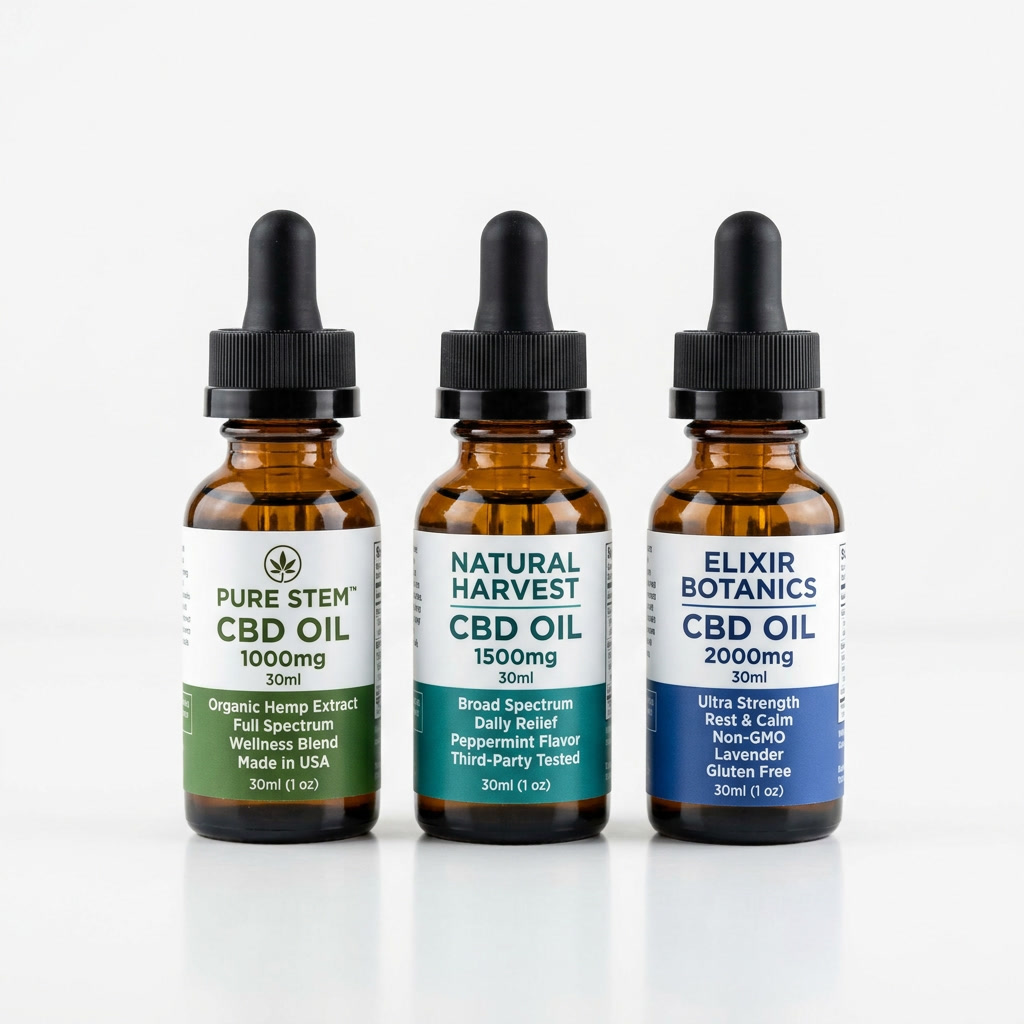
Because CBD rules and labeling vary, the quality of what you buy matters as much as the ingredient itself. A few practical checks go a long way. Look for full ingredient lists, a stated CBD concentration, and a brand that talks plainly about what its product does and does not claim. Third-party lab testing is a strong signal, because it confirms what is actually inside the bottle. Our explainer on how to read a COA walks through certificate-of-analysis documents step by step, so you can tell a thoughtful product from a vague one. If you are new to the compound altogether, what is CBD covers the basics in plain English. When you are ready to shop, browse our CBD topicals and creams or the broader CBD for skin selection to compare options side by side.
Realistic Expectations and Patience
Set your expectations like a scientist, not an infomercial. Most skincare change is gradual. If CBD is helping your skin cope with pollution stress, you are more likely to notice a general calmness, less tightness after cleansing, and a slightly brighter look rather than a dramatic before-and-after. Give any new product several weeks of consistent use before judging it, and introduce one new item at a time so you can tell what is actually doing something. Patch test first, especially if your skin is already reactive. And keep the bigger picture in mind. Sleep, hydration, and not smoking do more for your skin than any trend ingredient. CBD is a reasonable supporting player, not a headline act that carries the whole show.
Action Steps
Here is a simple plan you can start this week, no big spending required.
1. Cleanse gently each evening to remove the day's pollution buildup without stripping your skin.
2. Add one antioxidant step to your routine. This could be vitamin C, niacinamide, or a CBD product if you want to try it.
3. Moisturize to support your barrier, since a resilient barrier is your best defense against polluted air.
4. Wear sunscreen every morning, every day, rain or shine. This is the highest-value habit on the list.
5. Patch test any new CBD topical and introduce products one at a time.
6. Buy from brands that share lab results. Check our how to read a COA guide before you commit.
7. Give it weeks, not days, and keep your expectations steady and honest.
8. If you have a true skin condition or a stubborn reaction, see a dermatologist. Skincare supports professional care, it does not replace it.
Bottom Line
Pollution-damaged skin is a genuine, well-documented concern, and CBD has earned a place in the conversation about how to soothe it. A 2025 Biomolecules study on ex vivo human skin (PMID 41594552) found that CBD was linked to less inflammation, less oxidative stress, and better barrier protection under pollution-type stress, though remember this was lab tissue, not a face trial. A 2025 review in Plants (PMID 41304672) supports CBD's antioxidant role in skincare, while a 2025 review in the Journal of Cosmetic Dermatology (PMID 41178006) frames CBD mainly as a calming, supportive ingredient. A 2026 paper (PMID 42235859) points to a modified CBD molecule with pigment and antioxidant activity in cells, but that is a laboratory derivative, not the CBD you would buy today. Put together, the honest takeaway is this. CBD is a sensible, low-drama addition to an antioxidant routine built on gentle cleansing, barrier support, and daily sunscreen. It may help your skin cope with city air. It will not shield you from pollution on its own, and it is not a medical fix. Choose quality products, be patient, and let CBD play its modest part well.
Find Your Perfect CBD Product
Take our 2-minute quiz to get personalized recommendations based on your needs.
Take the Quiz →Disclaimer: This article is for informational purposes only and does not constitute medical advice. CBD products are not FDA-approved to treat, cure, or prevent any disease. Always consult with a qualified healthcare professional before starting any new supplement, especially if you have a medical condition or take medications.