CBD for Gout: What the 2024 Research Shows
The 3 A.M. Big Toe Problem
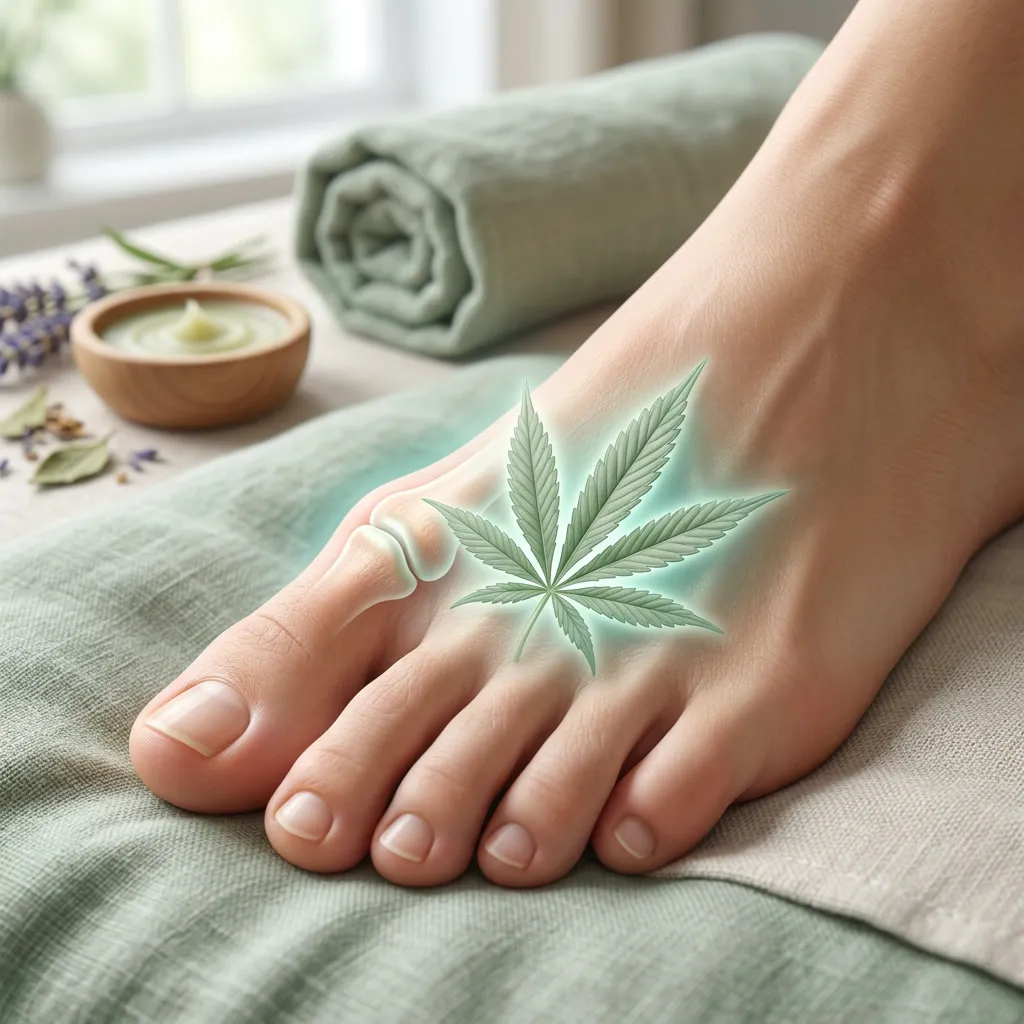
It usually hits at night. You wake up to a throbbing, burning pain in your big toe — so intense that even the weight of a bedsheet feels unbearable. The joint is red, swollen, and hot to the touch. If you've been there, you know exactly what it is: a gout flare.
Gout is the most common form of inflammatory arthritis in adults, and it's on the rise. It happens when uric acid builds up in the blood and forms sharp, needle-like crystals inside a joint — most often the big toe. The immune system attacks those crystals, and the result is a sudden, severe inflammatory response.
Because gout is fundamentally an inflammation problem, many people wonder whether CBD — a compound famous for its anti-inflammatory effects — could help. It's a fair question. And in 2024, researchers published a systematic review that finally looked at cannabis therapy across rheumatological diseases, including gout.
Here's what the research actually shows, what it doesn't, and how to think about CBD for gout without overclaiming.
What Gout Actually Is
Gout isn't just "a sore toe." It's a metabolic disease driven by hyperuricemia — persistently elevated uric acid in the blood.
Here's the chain of events:
- Your body produces uric acid when it breaks down purines, compounds found in many foods and produced naturally by your cells
- Normally, your kidneys filter uric acid out through urine
- When uric acid levels get too high, it can crystallize in joints, tendons, and surrounding tissue
- Those crystals trigger an aggressive immune response, causing the classic red, hot, swollen flare
The big toe is the classic target, but gout can strike the ankle, knee, wrist, and other joints. Flares typically come on fast — often overnight — and can last days to weeks.
Why Gout Is Different From Other Arthritis
Gout is often lumped in with arthritis generally, but it's distinct in one crucial way: the trigger is crystals, not just wear-and-tear or autoimmunity. That means the treatment strategy is different too.
- Osteoarthritis is mechanical — cartilage wears down over time
- Rheumatoid arthritis is autoimmune — the immune system attacks the joints
- Gout is metabolic — uric acid crystals drive the inflammation
This distinction matters when we talk about CBD, because the research on CBD for joint pain mostly comes from osteoarthritis and rheumatoid arthritis studies. Gout-specific evidence is much thinner.
Why People Try CBD for Gout
The logic is straightforward. Gout flares are driven by inflammation, and CBD is widely studied for its anti-inflammatory properties. So the reasoning goes: if CBD calms inflammation, maybe it can calm a gout flare.
There's also the pain angle. Gout is notoriously painful — some describe it as among the most painful experiences they've had. CBD is one of the most popular natural remedies people reach for when dealing with joint pain.
A 2026 real-world evidence study in Clinical Therapeutics (PMID 42140793) assessed cannabinoid compositions across three classes of chronic pain and found meaningful symptom relief, reinforcing why so many people turn to these products for joint and inflammatory pain.
But here's the honest part: there are no gout-specific CBD clinical trials. The evidence we have is indirect — it comes from systematic reviews of cannabis in rheumatological disease, plus studies on CBD for inflammation and joint pain more broadly.
The 2024 Systematic Review: The Anchor
The most important recent evidence is a 2024 systematic review published in Northern Clinics of Istanbul (PMID 39165706), titled "Cannabis therapy in rheumatological diseases."
A systematic review is a high level of evidence — it gathers and analyzes all the available studies on a topic rather than relying on a single trial. This one looked at cannabis therapy across a range of rheumatological conditions, and gout was among them.
What the Review Found
The review examined how cannabis-based therapies are used and studied in rheumatological disease. Key takeaways:
- Cannabis and cannabinoids are being used by patients with a range of rheumatological conditions, including gout
- The most common reasons patients report using these products are pain relief and reduced inflammation
- Many patients report subjective improvement in symptoms
- However, the authors were clear that the quality of evidence is limited, with few high-quality, gout-specific trials
> "Pain, anxiety, insomnia and arthralgia are common medical reasons for use across the different cannabinoids assessed."
The review's honest conclusion is important: cannabis therapy shows promise in rheumatological disease, but the evidence base is still thin, and more rigorous trials are needed — especially for specific conditions like gout.
The Critical Caveat
Here's what you need to understand: this systematic review is not proof that CBD treats gout. It's evidence that:
1. People with rheumatological conditions (including gout) are using cannabis products
2. Many report symptom relief
3. The science supports further investigation, but doesn't yet confirm efficacy
That's a meaningful distinction. It means CBD for gout is plausible but unproven — not a settled treatment.
The Related Evidence: CBD and Inflammation
While gout-specific trials are missing, the broader research on CBD and inflammation is more substantial. This is the indirect evidence that makes the gout question worth asking.
CBD's Anti-Inflammatory Mechanisms
A 2026 study in Current Drug Discovery Technologies (PMID 42576587) used molecular docking and dynamic simulation to show that CBD acts as a promising anti-inflammatory agent by targeting TYK2, an enzyme involved in inflammatory signaling pathways. This adds to a growing body of mechanistic work explaining how CBD interacts with the immune system.
Another 2026 study in Phytomedicine (PMID 42542056) found that CBD disrupts pro-angiogenic synoviocyte-endothelial crosstalk in rheumatoid arthritis — essentially, it interferes with the inflammatory processes inside joints.
These are lab studies, not human trials. But they give researchers a framework for why CBD might influence inflammatory joint conditions.
CBD and Joint Pain
The clinical picture for joint pain is more developed than for gout specifically. A 2026 scoping review in Clinical Rheumatology (PMID 41870683) examined the role of cannabis-based medicinal products in managing osteoarthritis symptoms. The review found emerging evidence that these products may help with pain and function, while calling for more rigorous trials.
A 2026 study in International Immunopharmacology (PMID 41955700) showed that CBD synergizes with methotrexate to attenuate rheumatoid arthritis via STAT3/NF-κB signaling — again, pointing to anti-inflammatory effects in joint disease.
And a 2026 survey in Arthritis Care & Research (PMID 42045789) examined cannabis products used by patients with rheumatologic conditions in Alberta, Canada, finding that many patients report perceived benefits for their symptoms.
The Pattern
Put it together and a pattern emerges:
- Mechanistic studies show CBD has genuine anti-inflammatory activity
- Joint-focused research (osteoarthritis, rheumatoid arthritis) shows promise, though evidence quality varies
- Gout-specific research is essentially absent
So the honest summary is: CBD's anti-inflammatory profile makes it a reasonable thing to be curious about for gout, but the direct evidence simply isn't there yet.
What the Research Does NOT Show
Let me be direct about the limitations, because this is where a lot of CBD content goes wrong.
There are no published clinical trials testing CBD specifically for gout flares or gout prevention. The 2024 systematic review covers gout as one of several rheumatological conditions, but it doesn't provide gout-specific efficacy data.
What we don't have:
- No trial showing CBD lowers uric acid levels in humans
- No trial showing CBD reduces the frequency of gout flares
- No trial showing CBD resolves an acute gout attack
- No established CBD dosing protocol for gout
The mechanistic and joint-pain evidence is encouraging, but it's a hypothesis, not a proven treatment. Anyone who tells you CBD "cures" or "treats" gout is overstating the science.
The Uric Acid Question
One thing people often ask: does CBD lower uric acid? The short answer is that we don't have reliable human data on this. The research connecting CBD to uric acid or hyperuricemia is minimal and inconclusive. Don't assume CBD is a substitute for urate-lowering therapy like allopurinol.
How People Actually Use CBD for Gout
If you're considering CBD for gout, here's how it's typically approached — with the understanding that this is practical guidance, not a proven medical protocol.
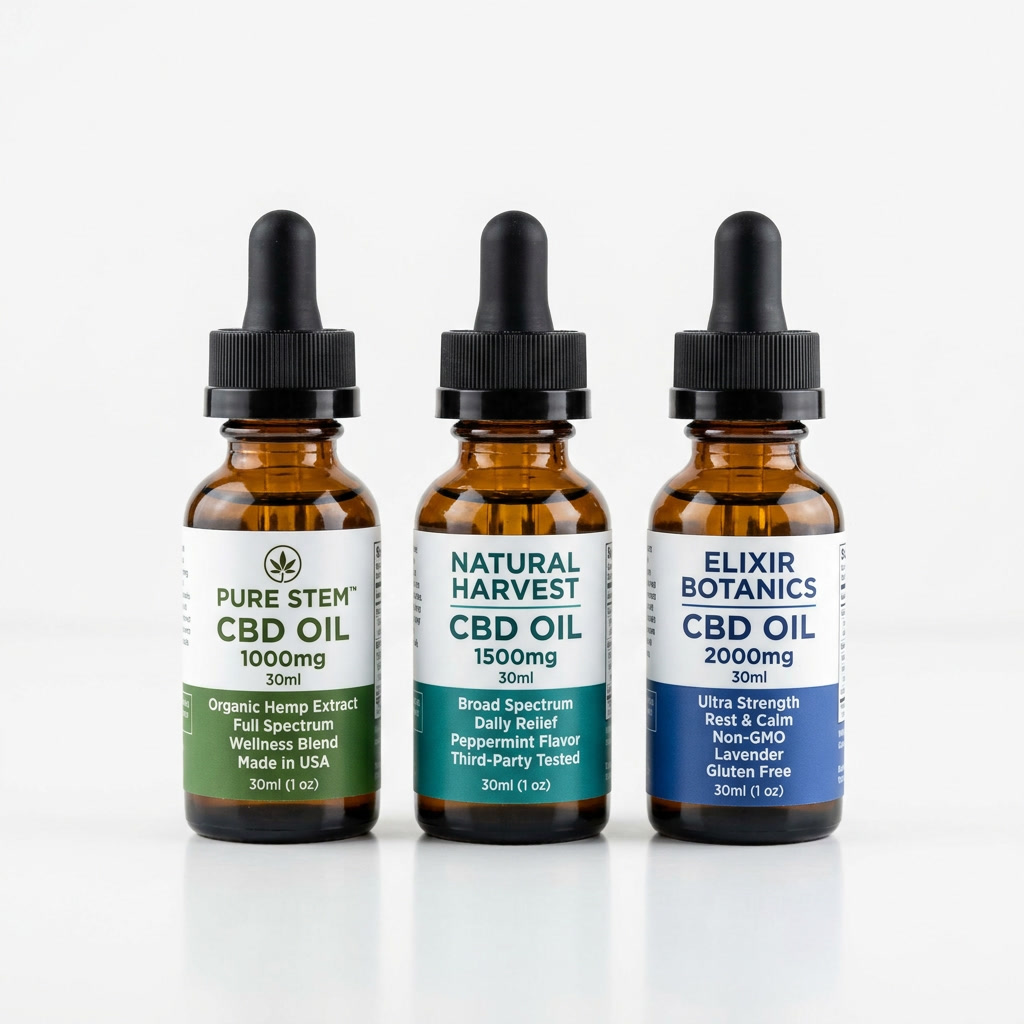
CBD Oils and Tinctures
Oils and tinctures are the most common choice for systemic effects. They're taken under the tongue and absorbed into the bloodstream, which makes them a reasonable option if you want whole-body anti-inflammatory support.
- Start low: 10-20mg once daily
- Track your response for 2-3 weeks
- Increase gradually by 5-10mg if needed
- Find your minimum effective dose
CBD Topicals
For a localized flare — say, a swollen big toe — a topical cream or balm applied directly to the joint is a popular approach. Topicals deliver CBD to the area without significant systemic absorption.
A 2026 randomized, open-label trial in Cannabis and Cannabinoid Research (PMID 41467893) tested topical cannabis balms for musculoskeletal pain and found them feasible and well-tolerated, with symptom relief reported by participants.
What to Look For
- Third-party lab testing — verify the product contains what the label claims
- Full-spectrum or broad-spectrum — many people prefer these over isolates for the entourage effect
- Clear dosing information — avoid products with vague or missing potency labels
When to See a Doctor
This is non-negotiable. Gout is a medical condition that can cause permanent joint damage if untreated, and it's linked to kidney problems and cardiovascular risk.
See a doctor if:
- You're experiencing your first possible gout flare — you need a proper diagnosis
- Flares are frequent or severe
- You have kidney disease, diabetes, or heart conditions
- You take blood thinners, antidepressants, or seizure medications — CBD can interact with these
- You're considering stopping or changing prescribed gout medication
> ⚠️ Important: CBD is not a replacement for prescribed gout treatment. If you're on urate-lowering therapy, don't stop it without talking to your doctor.
How to Approach CBD for Gout Realistically
If you want to explore CBD for gout, here's a sensible, honest framework:
1. Get a proper diagnosis first — confirm it's actually gout, not something else
2. Talk to your doctor — especially about drug interactions
3. Keep your prescribed treatment — CBD is complementary, not a substitute
4. Start with a low dose — 10-20mg of oil, or a topical on the affected joint
5. Track your symptoms — dose, timing, flare frequency, and pain levels
6. Be patient and honest with yourself — if it helps, great; if not, that's useful information too
Frequently Asked Questions
Does CBD cure gout?
No. There is no evidence that CBD cures gout. Gout is a metabolic condition driven by uric acid crystals, and CBD has not been shown to eliminate uric acid or prevent flares. It's best viewed as a potential complementary option for symptom management, not a cure.
Can CBD lower uric acid?
There's no reliable human data showing CBD lowers uric acid levels. The research connecting CBD to uric acid or hyperuricemia is minimal and inconclusive. Don't rely on CBD to manage your uric acid — that's what urate-lowering medications are for.
Is CBD good for gout pain?
Possibly, but it's unproven. The 2024 systematic review found people with rheumatological conditions use cannabis products for pain relief, and broader research shows CBD has anti-inflammatory and pain-relieving properties. But there are no gout-specific trials, so we can't say definitively.
How much CBD should I take for gout?
There's no established gout-specific dose. A common starting point is 10-20mg of CBD oil once daily, adjusted gradually based on your response. For a localized flare, a topical applied directly to the joint is another option. Always start low and talk to your doctor.
Is CBD safe to take with gout medication?
CBD can interact with certain medications, including some used for gout and related conditions. It's especially important to check for interactions with blood thinners and medications processed by the liver. Always discuss CBD with your doctor before combining it with prescription gout treatment.
How long does a gout flare last, and can CBD shorten it?
A typical gout flare lasts days to weeks without treatment. There's no evidence CBD shortens a flare. If you're in the middle of an acute attack, standard medical treatment (like NSAIDs, colchicine, or corticosteroids) is the proven approach — don't rely on CBD alone.
The Bottom Line
Gout is a painful, inflammatory arthritis driven by uric acid crystals — and it's a condition where people understandably look for relief. The 2024 systematic review in Northern Clinics of Istanbul confirms that people with rheumatological conditions, including gout, are turning to cannabis products, and many report symptom relief.
The broader research is genuinely encouraging: CBD has real anti-inflammatory mechanisms, and studies in osteoarthritis and rheumatoid arthritis show promise. But the honest truth is that there are no gout-specific CBD trials, and no evidence CBD lowers uric acid or prevents flares.
So think of CBD for gout the way you'd think of any complementary option: it's plausible, it's worth discussing with your doctor, and it's not a replacement for proven treatment. If you're curious, start low, track your response, and keep your prescribed care plan intact.
For more on how CBD interacts with inflammation, see our deep dive on CBD for inflammation and how it compares for joint pain in arthritis. If you're ready to explore products, browse our CBD oils and tinctures or CBD topicals and creams for localized support.
Citations
- PMID 39165706 | Northern Clinics of Istanbul | 2024 | Cannabis therapy in rheumatological diseases: A systematic review
- PMID 42140793 | Clinical Therapeutics | 2026 | Assessing the Efficacy of Cannabinoid Compositions for Treating 3 Classes of Chronic Pain: A Real-World Evidence Study
- PMID 41870683 | Clinical Rheumatology | 2026 | The role of cannabis-based medicinal products (CBMPs) in managing osteoarthritis symptoms: a scoping review of current evidence and future directions
- PMID 41955700 | International Immunopharmacology | 2026 | Cannabidiol synergizes with methotrexate to attenuate rheumatoid arthritis via STAT3/NF-κB signalling-mediated M1 macrophage polarization
- PMID 42045789 | Arthritis Care & Research | 2026 | Perceived Impacts and Predictors of Cannabis Products Used by Patients with Rheumatologic Conditions in Alberta, Canada: A Multivariable Analysis of Cross-Sectional Survey Data
- PMID 42576587 | Current Drug Discovery Technologies | 2026 | Cannabidiol as a Promising Anti-Inflammatory Agent Targeting TYK2: Molecular Docking and Dynamic Simulation Approaches for Therapeutic Applications
- PMID 42542056 | Phytomedicine | 2026 | Ubiquitin-proteasome-dependent degradation of HIF-1α by cannabidiol disrupts pro-angiogenic synoviocyte-endothelial crosstalk in rheumatoid arthritis
- PMID 41467893 | Cannabis and Cannabinoid Research | 2026 | A Randomized, Open-Label Trial to Assess Feasibility and Tolerability of Topical Cannabis Balms for the Treatment of Aromatase Inhibitor-Associated Musculoskeletal Syndrome (AIMSS)
Find Your Perfect CBD Product
Take our 2-minute quiz to get personalized recommendations based on your needs.
Take the Quiz →Disclaimer: This article is for informational purposes only and does not constitute medical advice. CBD products are not FDA-approved to treat, cure, or prevent any disease. Always consult with a qualified healthcare professional before starting any new supplement, especially if you have a medical condition or take medications.